
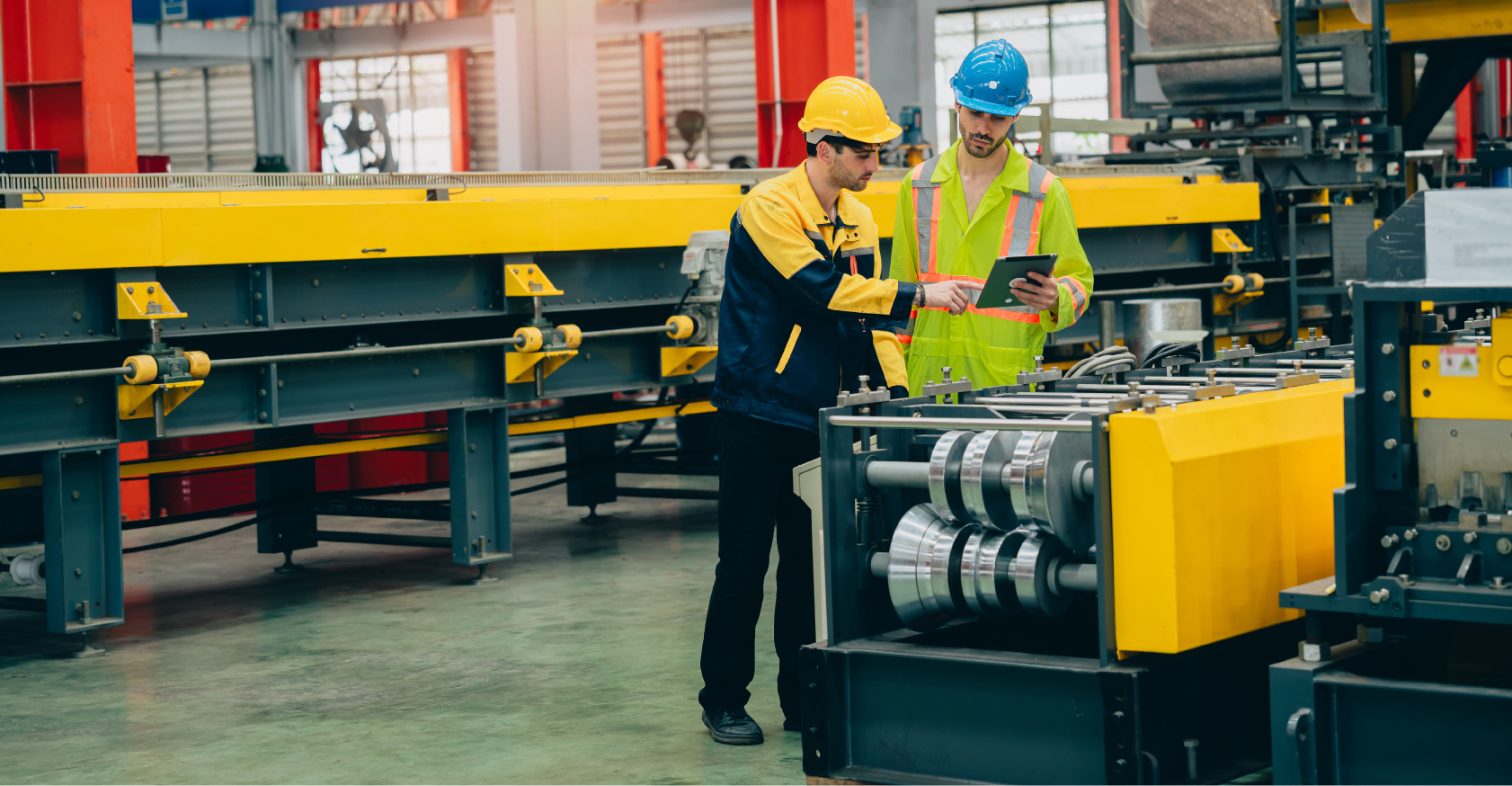
A single network outage can bring a production line to a halt. Every hour that passes without a fix is another hour of lost output, idle labor costs, and a slipping delivery timeline.
This is a scenario that plays out for manufacturers across Indiana every year, often because IT infrastructure hasn’t kept pace with the demands of modern operations.
Why Manufacturing IT Is Different
Most technology discussions focus on office environments, but manufacturing IT is different. Your systems do more than support back-office functions; they also help keep the physical production process running.
Programmable logic controllers (PLCs), SCADA systems, barcode scanners, inventory platforms, ERP software, and production floor terminals all depend on a reliable network and consistent connectivity. When those systems fail, production can slow or stop entirely.
IT support for manufacturers has to account for both operational technology (OT) on the floor and traditional IT infrastructure in the office. Managing that overlap is where many manufacturers face the greatest challenges.
The Real Cost of Downtime in Manufacturing
Downtime carries a price tag that executives often underestimate until they experience a major incident. Direct costs include idle labor, scrapped materials, and delayed shipments. Indirect costs can go even further, including strained customer relationships, expedited freight charges, and emergency repair contracts that were never in the budget.
For small and mid-sized manufacturers in the Wabash Valley, the margin for absorbing those losses is thin. A recovery that takes days rather than hours can affect cash flow for weeks.
The good news is that most unplanned outages are preventable. Proactive monitoring, regular maintenance, and documented recovery procedures can catch many issues before they reach the production floor.
Cyber Threats Are Now a Manufacturing Problem
Ransomware operators increasingly target industrial environments because manufacturers are uniquely vulnerable. Production pressure creates urgency, and urgency can lead to fast decisions. Paying a ransom to restore operations by Friday may feel more viable than waiting for a recovery process to run its course.
Manufacturing cybersecurity is no longer optional. Operational technology systems that were once isolated are now connected to cloud platforms, remote access tools, and supplier networks. Every connection point creates a potential entry path for attackers.
A compromised OT environment can lead to corrupted production data, tampered batch records, or a complete shutdown of automated systems. The physical consequences of a cyberattack on a manufacturing operation can exceed those of a typical office-based incident.
Common vulnerabilities in manufacturing environments include:
- Legacy equipment running outdated operating systems that no longer receive security patches
- Flat networks that allow a single compromised device to reach the rest of the environment
- Remote access tools configured during the pandemic that were never properly secured afterward
- Weak password policies on shop floor terminals that operators share for convenience
Addressing these vulnerabilities requires a partner who knows where to look.
Where Most Manufacturers Stand on Digital Transformation
A 2022 PwC Digital Factory Transformation Survey found that 64% of companies are still at the beginning of their digital transformation journey. For many manufacturers, core production systems still run on infrastructure that was not built for today’s connectivity requirements, security expectations, or operational demands.
That gap creates real exposure. Systems that were not designed with security in mind become harder to protect as they age. Integrations that began as quick fixes can become structural dependencies. When something breaks, limited documentation can make troubleshooting take far longer than it should.
The path forward does not always require a full technology overhaul. It often starts with an honest assessment of where your current infrastructure stands and which risks are most urgent.
What Managed IT Does for Manufacturing Operations
A managed IT partner in a manufacturing environment does more than fix problems. They monitor systems continuously, apply updates and patches on a schedule that works around production, maintain documentation that speeds up troubleshooting, and provide a direct line when something goes wrong at an inconvenient hour.
For Wabash Valley manufacturers, that support has to account for local factors: the industries common to the region, the mix of older and newer equipment on most shop floors, and the reality that most facilities don’t have a dedicated in-house IT team.
Covergent Technologies brings that context to every engagement. The team responds quickly when production is at stake, provides clear answers when business owners need them, and builds infrastructure that works in a real manufacturing environment, not just in a reference architecture on a whiteboard.
An IT strategy built around your operation considers uptime requirements, budget constraints, growth plans, and the specific systems your facility depends on. That is a different conversation than a generic managed services agreement.
Network Uptime Is a Production Metric
Manufacturers track OEE, cycle times, yield rates, and dozens of other operational metrics. Network uptime deserves the same attention. If your facility is running at 99% network availability, that remaining 1% represents roughly 87 hours of potential downtime per year. For a production environment, that number has a dollar value attached to it.
Monitoring, redundancy, and rapid response planning help drive that number toward zero. Businesses that treat IT reliability as a production metric, rather than only an IT department concern, tend to recover faster, lose less, and spend less on emergency fixes over time.
FAQ
Talk to a Manufacturing IT Partner Who Understands Your Floor

If you’re not sure how your current IT environment holds up against the demands of modern manufacturing, that’s the right question to start with.